J. S. RASCH VIN & SPIRITUS
J. S. Rasch Wine and Colonial Goods has been selling life’s finer things since 1807. The current ownership goes back two generations.
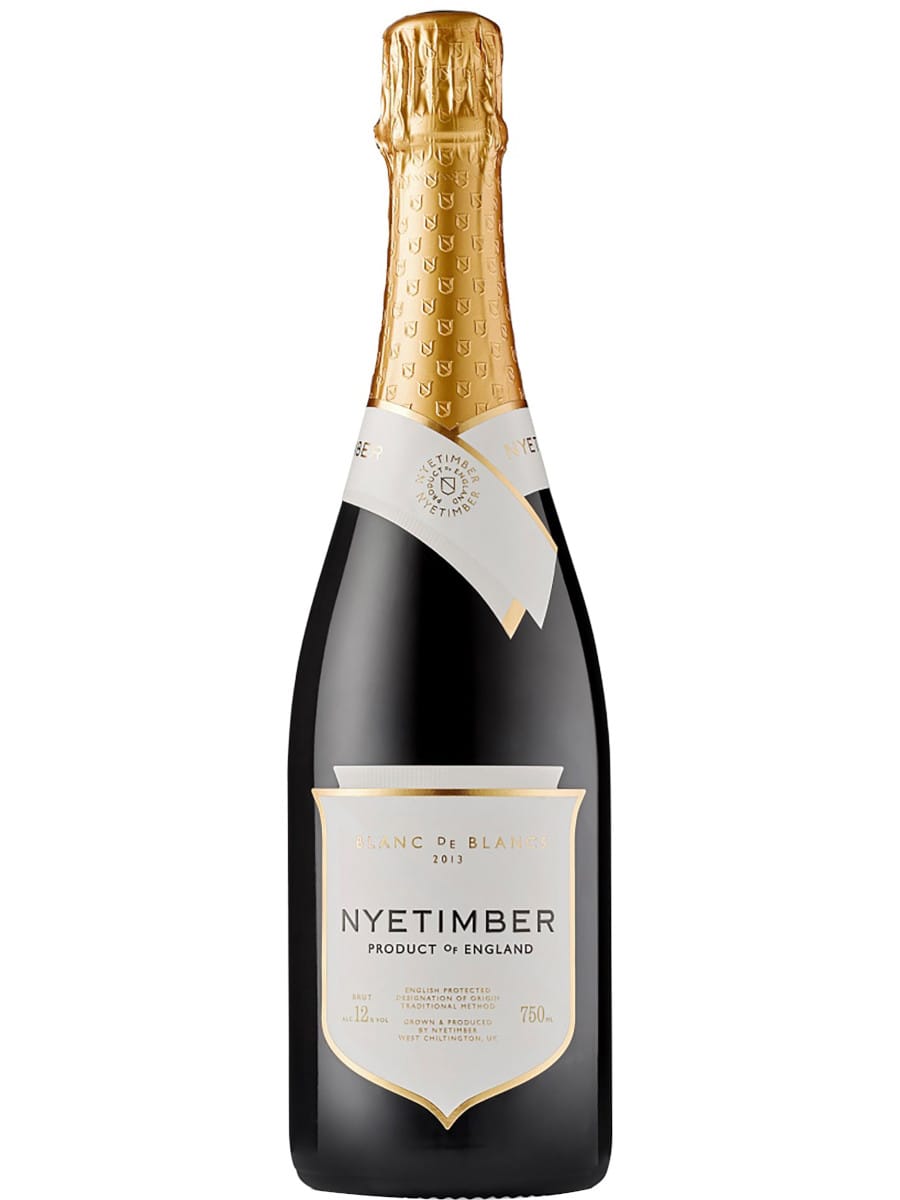
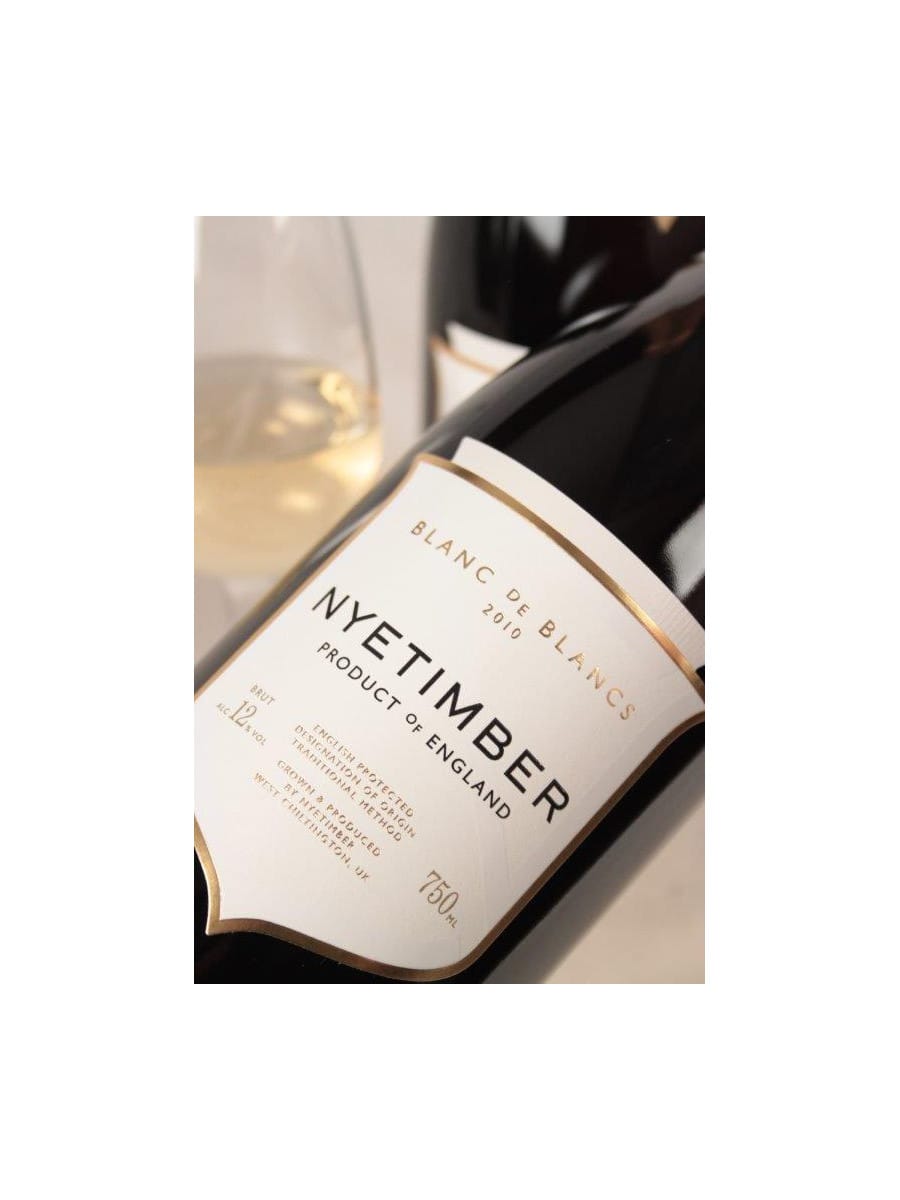
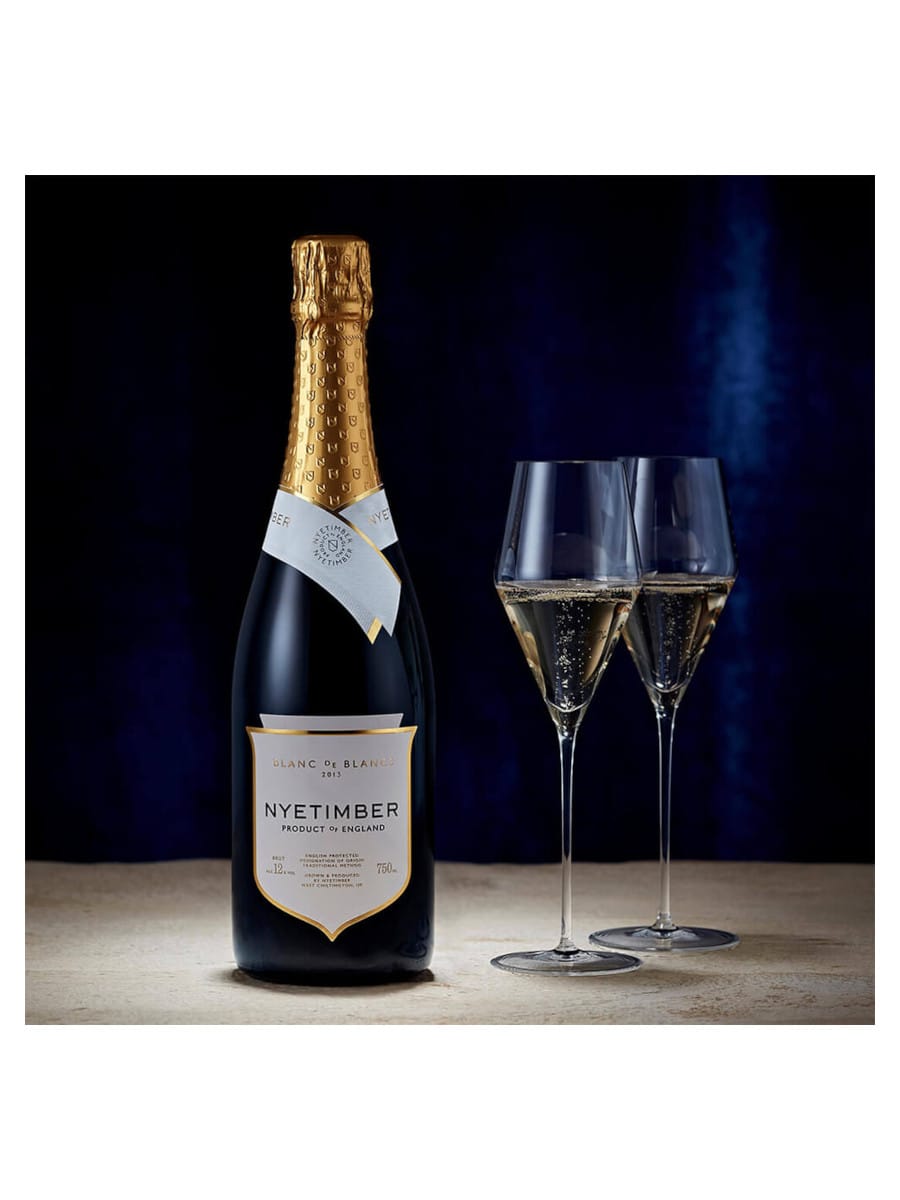
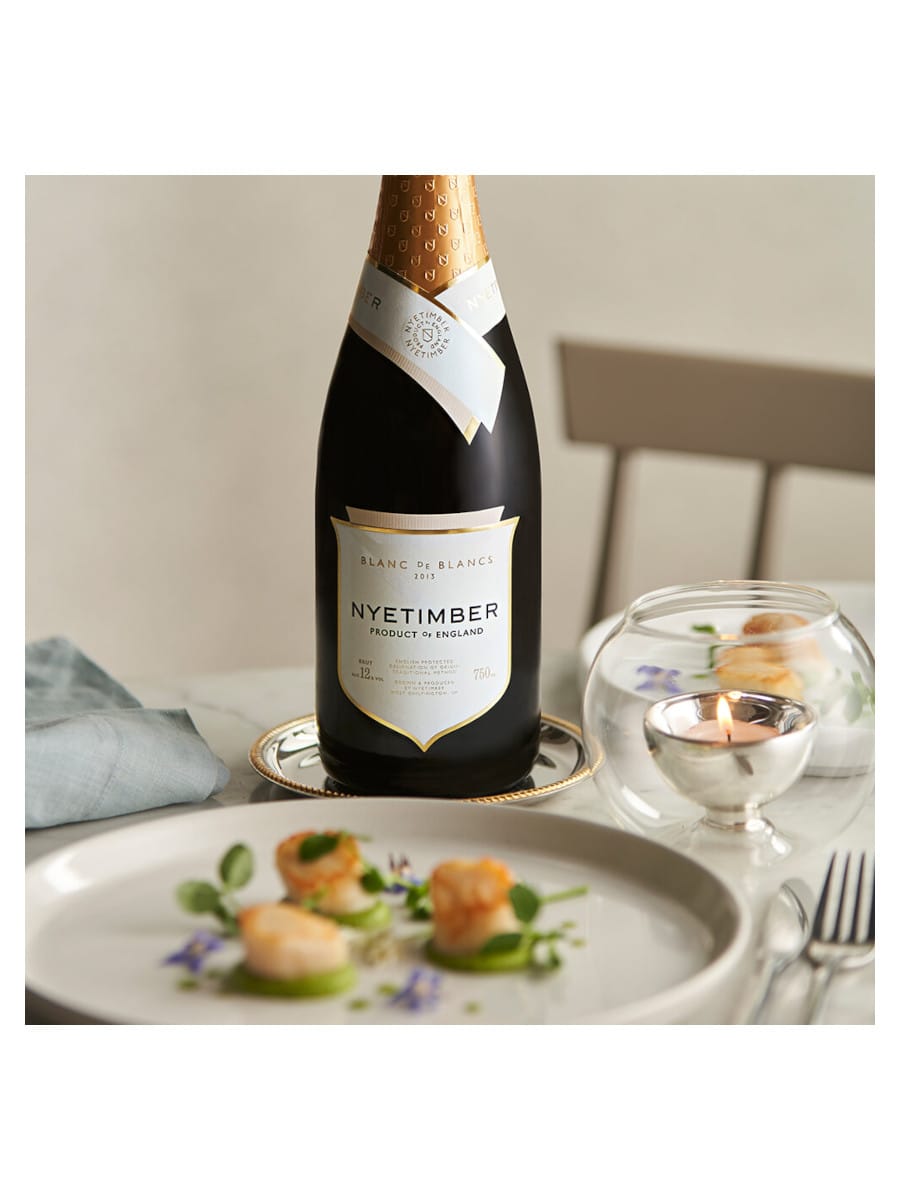
Nyetimber Blanc de Blancs 2017 is made exclusively from Chardonnay grapes grown in the estate’s own vineyards in West Sussex and Hampshire, England. These areas are characterized by chalky and sandy soils that resemble those of Champagne, which contributes to the wine’s finesse and minerality. The cool maritime climate allows the grapes a long ripening period, resulting in a wine that combines freshness with complexity.
The wine shows a pale golden colour with fine, persistent bubbles. The aromas offer notes of freshly pressed lemon, Pink Lady apples and white flowers, complemented by hints of shortbread and crème fraîche. On the palate, there is a balance of fresh citrus fruit, underlying minerality and a subtle toasted intensity. The finish is long, complex and elegant.
DinVinGuide
Elegant nose with yellow apples.
100% Chardonnay, only produced in good vintages. 10 g RS. 60 months bottle ageing. From West Sussex (sandy soils with chalk) and Hampshire (higher concentration of chalk). Elegant nose with yellow apples. Very fine mousse. Complete on the palate with delicate red apples and a touch of salty notes. Alc.: 12%.
About Nyetimber
Soils rich in chalk and sandstone provide ideal conditions for vines in southern England. It may sound new and modern, but wine has actually been grown in England for 2,000 years. First the Romans and later the Normans brought vines to the British Isles. The climate means that the grapes ripen slowly and achieve a perfect balance of acidity and ripeness, complexity and finesse. At the same time, climate change is causing more classic wine regions to struggle with excessively high temperatures, while more northerly regions – not only in England – benefit from the warmer conditions, so there is every reason to broaden one’s vinous horizon.
It is therefore not so surprising that the total vineyard area in England grew by 400 percent between 2004 and 2021, from 761 to 3,800 hectares. At the same time, sparkling wine began to make up the majority of production. Some in Champagne may fear, perhaps not without reason, that these famous French wine regions will in time simply become too warm to grow certain grape varieties that must not become overripe. For this reason, several major, well-renowned Champagne houses have in recent years bought land in southern England to secure long-term production, and Moët Hennessy has even shown interest in Denmark.
The historical roots of Nyetimber stretch back to 1086, when the estate was mentioned in The Domesday Book, which the Normans used as the basis for tax collection in the land they had conquered 20 years earlier after the Battle of Hastings in 1066. Many years would pass, however, before the first vines were planted. That did not happen until 1988, when three of the most classic grape varieties for sparkling wine found a home in the soils of southern England – Chardonnay, Pinot Noir and Pinot Meunier. Eric Heerema took over the estate in 2006 and hired the two current winemakers. The vineyards are located in three different sites in southern England, but the heart remains the original estate.
Nyetimber uses only hand-picked grapes from its own vineyards, which Head Winemaker and Winemaker, Cherie Spriggs and Brad Greatrix, personally inspect. The couple, who are also married, use the traditional méthode traditionnelle in the production of the wines, which are aged for extended periods to develop complexity.
Since these three began producing sparkling wines in southern England, they have received international acclaim and won countless competitions in which the wines were tasted blind and judged by some of the world’s most renowned wine experts. The very best champagnes – and also the most expensive – still come from France, but it is by no means rare for the English to come out on top and the French to be beaten in comparative tastings. Nyetimber has won a wealth of competitions, judged by some of the world’s leading wine experts, and today accounts for almost ten percent of the total vineyard area in England.
Product of England
649,00 DKK
Product of England
| Pieces | Spar pr. fl. | Unit price |
|---|---|---|
| 3 | -25,00 DKK | 624,00 DKK |
| 6+ | -50,00 DKK | 599,00 DKK |
oak barrel

lemon

vanilla
Fullness
Roughness
Fruit acid
| Volume | |
|---|---|
| Percentage | |
| Country | |
| Grape | |
| Bottle | Standard |
| Producer | |
| District | |
| Serving Temp. | |
| Weight | 1,5 kg |
| Vintage |
almond

honey
Fullness
Roughness
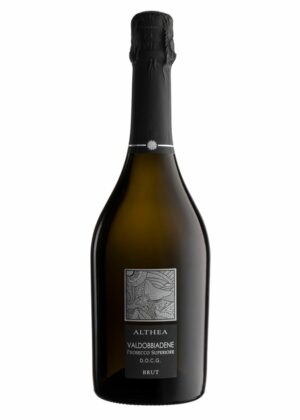
lemon

apple
Fullness
Sweetness
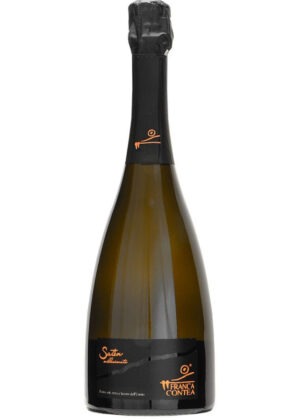
peach
lemon
Fullness
Roughness
apple
pear
Fullness
Roughness
J. S. Rasch Wine and Colonial Goods has been selling life’s finer things since 1807. The current ownership goes back two generations.
| Mon – Thu | 09:30–17:30 |
| Friday | 09:30–18:00 |
| Saturday | 09:30–16:00 |
| Sunday | Closed |