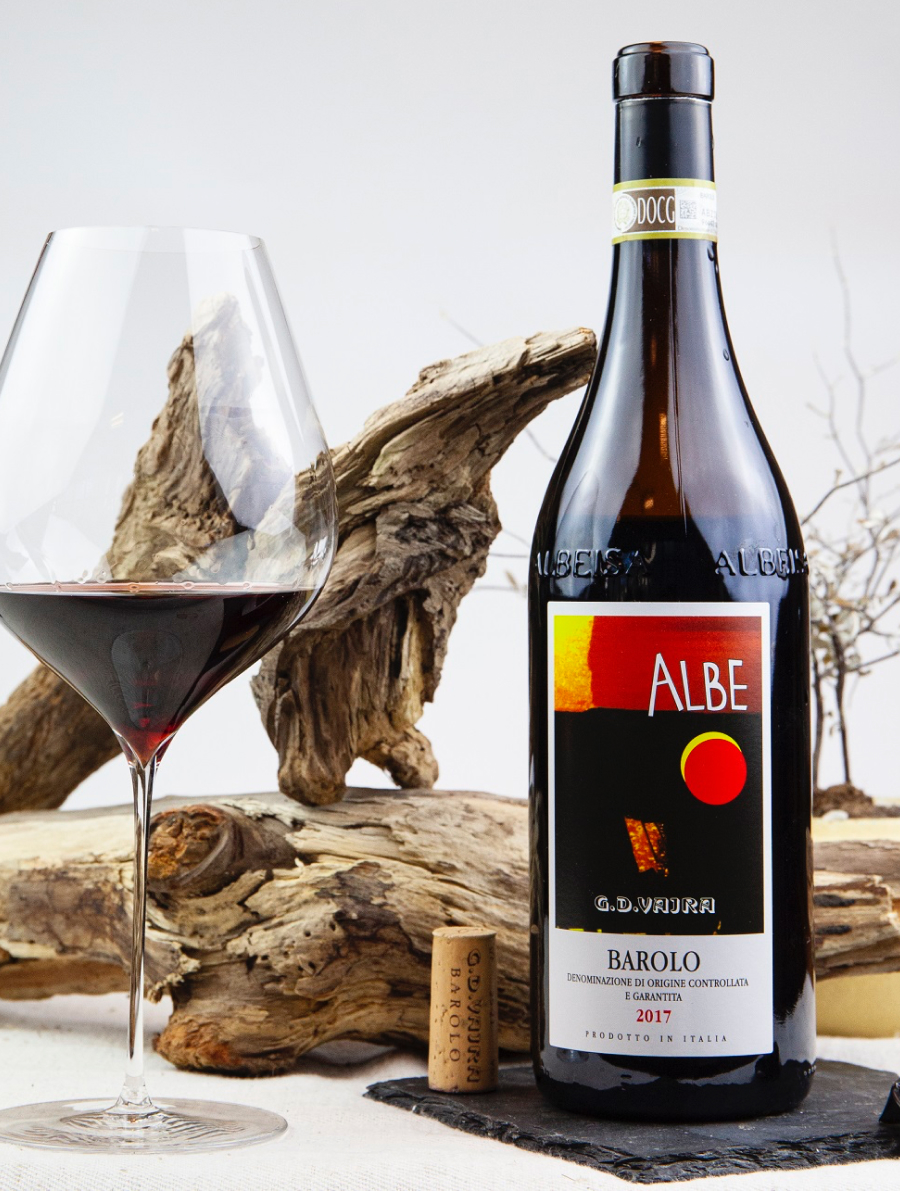
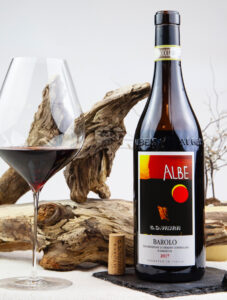
G.D. Vajra is a family-owned Barolo producer based in the hamlet of Vergne, perched high above the village of Barolo. The Vajra family belongs to the generation that helped shape Barolo’s modern quality era in the late 20th century, but with a clear philosophy: elegance and place should come before “winemaker showmanship.” You can taste that in their focus on high-altitude sites, very careful grape selection, and a style that often reads as more perfumed, fine-grained, and transparent than the most muscular interpretations of Barolo. They’re also known for impressive consistency across vintages: even when the wines are young, they tend to be surprisingly readable—without sacrificing their ability to age.
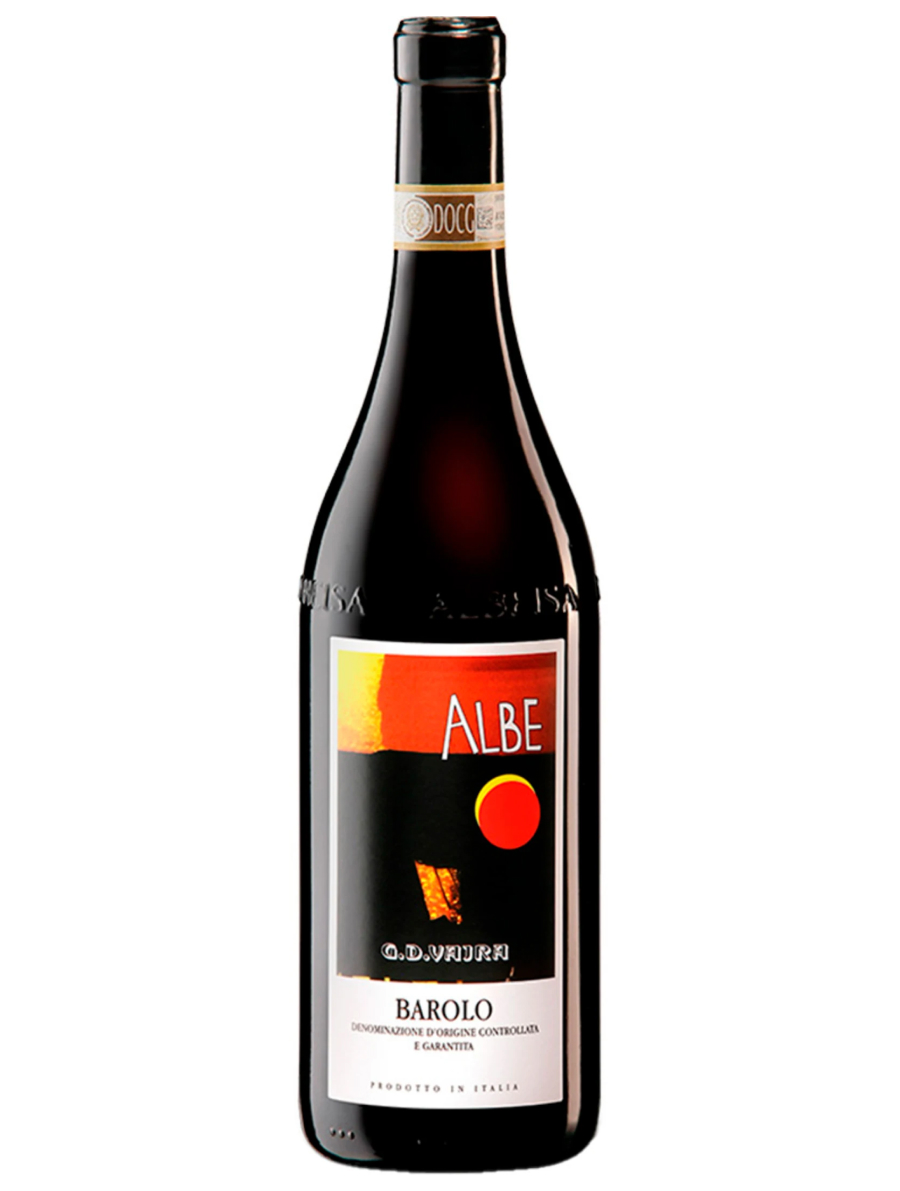
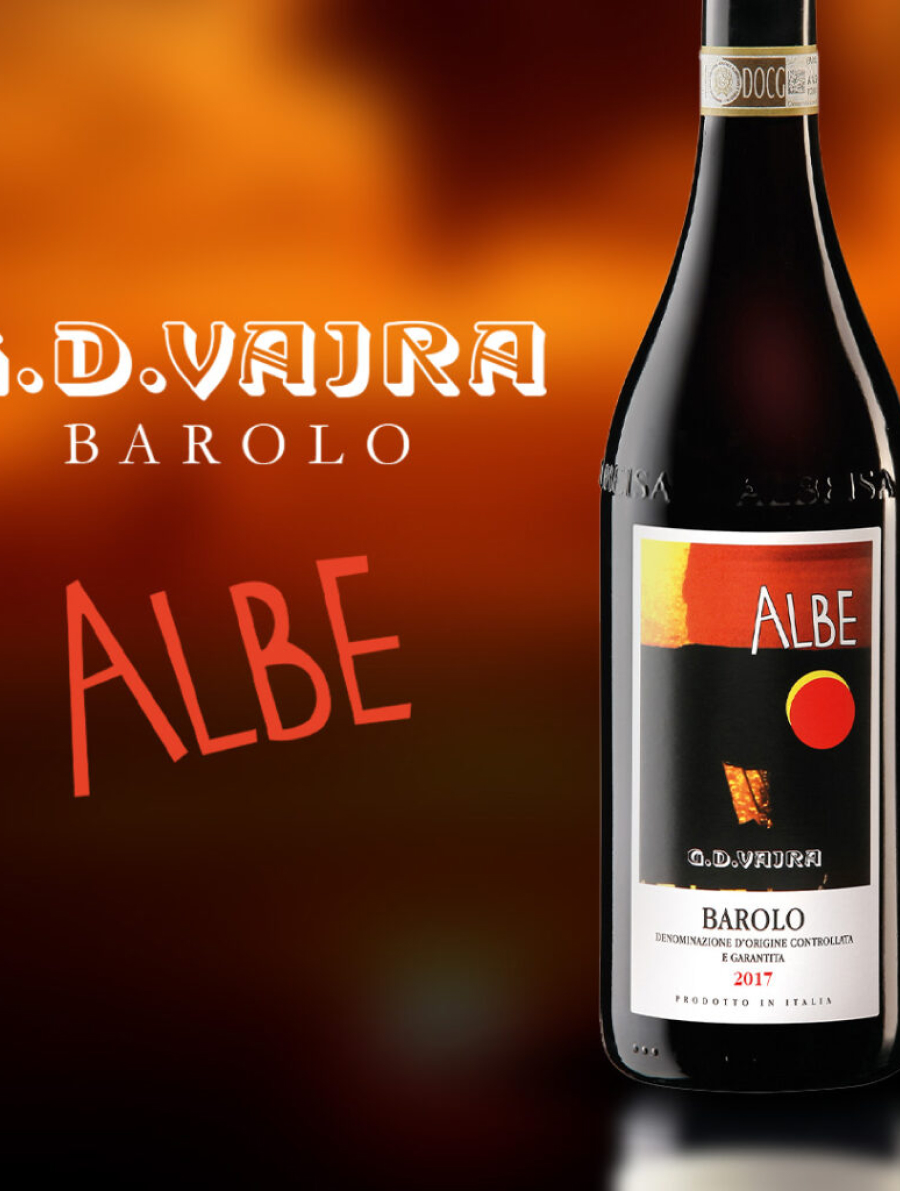
Barolo Albe is their most classic “gateway” Barolo (though the quality level is serious). The name Albe means “dawns” and refers to vineyards that catch the morning light in different ways—often described as “three dawns,” thanks to varied exposures on the slopes. That’s central to the wine’s identity: Albe is less about a single cru and more about a coherent picture of Barolo, where multiple sites combine to deliver balance between perfume, structure, and freshness.
In the glass, it’s unmistakably Nebbiolo and unmistakably Barolo, expressed through Vajra’s signature: roses and dried flowers, cherry and red berries, orange peel and spice, and with time a gentle hint of tea leaf or tobacco. The structure is built on high acidity and firm yet typically well-polished tannins—the classic “chew” that makes Barolo such a brilliant food wine. Albe often feels more immediately charming than many single-vineyard Barolos in its youth, but it still has real backbone and becomes notably more complex with a few years in the cellar.
The winemaking aims for a traditional profile rather than hard-edged modernism: the goal is to extract Nebbiolo’s aromatics and tannic framework without making the wine heavy. That usually means longer macerations and élevage that builds structure gradually. The result is a Barolo that rarely feels over-oaked or sweet-fruited, but instead taut, aromatic, and classically shaped.
How to get the most from the bottle
Air: young vintages benefit from generous aeration (a decanter or plenty of time in the glass).
Temperature: around 16–18 °C often gives the best balance of aroma and structure.
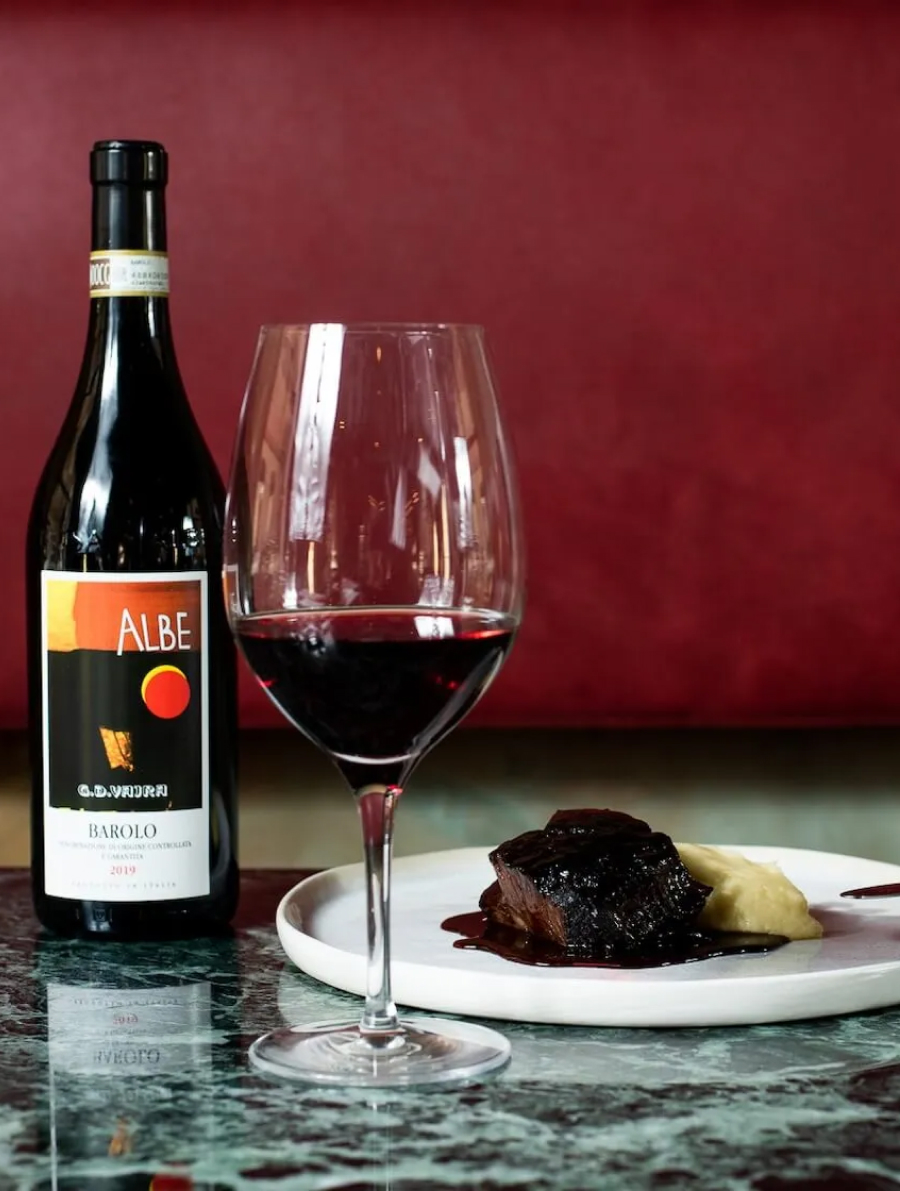
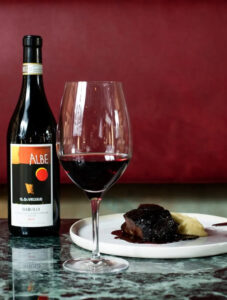
Food: lamb, slow-braised beef, mushroom- and truffle-leaning dishes, game, or aged hard cheeses—fat and umami are great partners for the tannins.