
J. S. RASCH VIN & SPIRITUS
J. S. Rasch Wine and Colonial Goods has been selling life’s finer things since 1807. The current ownership goes back two generations.

A sensational micro-cuvée: an airy single-vineyard Blanc de Noirs with refinement, precision and—above all—high drinkability, a likeable and consistent hallmark of all Sadi Malot wines.
Sadi Malot is a small family producer in the heart of the Montagne de Reims with 11 hectares of vineyards in both 1er cru Villers-Marmery and grand cru Verzy. They have farmed sustainably for 20 years, and the conversion to organic farming began in 2017, with certification underway. Today, the family’s 16 sheep help keep the cover crop under control. They are part of the wave of RM producers (récoltant-manipulant = estate wines from estate-grown grapes) who over the past few decades have offered an excellent, personal alternative to the dominance of the big brands. At Sadi Malot, the fifth generation—Cindy Malot and her partner Florian Villière—has, with great stylistic confidence, taken already good Champagnes to new heights.
Florian’s surname appears on the label, as he made the wine single-handedly—and for good reason is rather pleased with it.
This grand cru Blanc de Noirs vintage is made from 100% Pinot Noir from the site Les Vignes Goisses, a north-facing, very gently sloping parcel, rather unattractively located near the railway and the A4 motorway. The 2021 vintage was fermented and aged in a single untreated 950-litre concrete egg up until the bottle fermentation. The fine pores of the concrete allow micro-oxygenation, which in the finished Champagne is felt as a creamier texture and an aroma leaning towards fresh almonds. The wine was aged for 48 months, 34 of them sur lie, and was disgorged in February 2025 with a residual sugar of 1.8 g/L. It is labelled Extra Brut, but in reality it is Brut Nature, as no dosage was used at disgorgement.
Les Vignes Goisses is an atypical Pinot Noir, as it is an “elegant” expression without the more red-fruited, structured traits often found in Blanc de Noirs. It is certainly a more robust Champagne than the neighbouring egg’s Les Vignes Suzaines Chardonnay, but it remains utterly undramatic—even though it is bone-dry and intense. There are no “broken”, oxidative aromas, so everything stays perfectly in line, while the wine remains engaging. Ultra-fine bubbles carry the aromas yet otherwise behave delightfully discreetly on the palate.
This is seriously good Champagne. Price-wise it is not at the “jovial” end, but it is still a long way from the ambitious pricing of the prestige producers—so we still feel comfortable calling Les Vignes Goisses great value for money.
Champagne Sadi Malot
589,00 DKK
Champagne Sadi Malot
| Pieces | Spar pr. fl. | Unit price |
|---|---|---|
| 3 | -25,00 DKK | 564,00 DKK |
| 6+ | -50,00 DKK | 539,00 DKK |
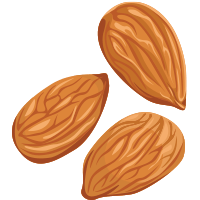
almond

lemon

apple
Fullness
Roughness
Fruit acid
Sweetness
| Volume | |
|---|---|
| Percentage | |
| Country | |
| Grape | |
| Bottle | Standard |
| Producer | |
| District | |
| Weight | 1 kg |
| Vintage |
apple

pear
Fullness
Roughness
apple
pear
Fullness
Roughness
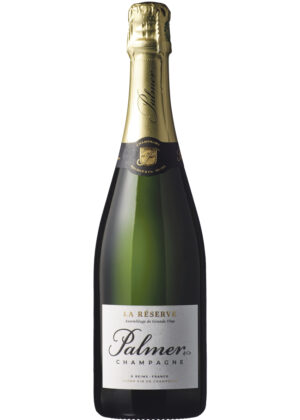
apple
pear
Fullness
Roughness
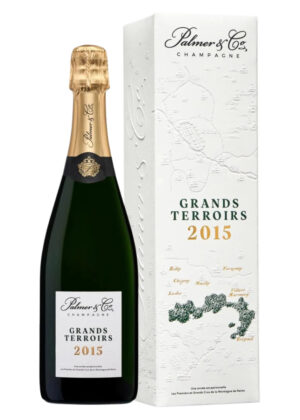

orange
lemon
Fullness
Roughness
J. S. Rasch Wine and Colonial Goods has been selling life’s finer things since 1807. The current ownership goes back two generations.
| Mon – Thu | 09:30–17:30 |
| Friday | 09:30–18:00 |
| Saturday | 09:30–16:00 |
| Sunday | Closed |