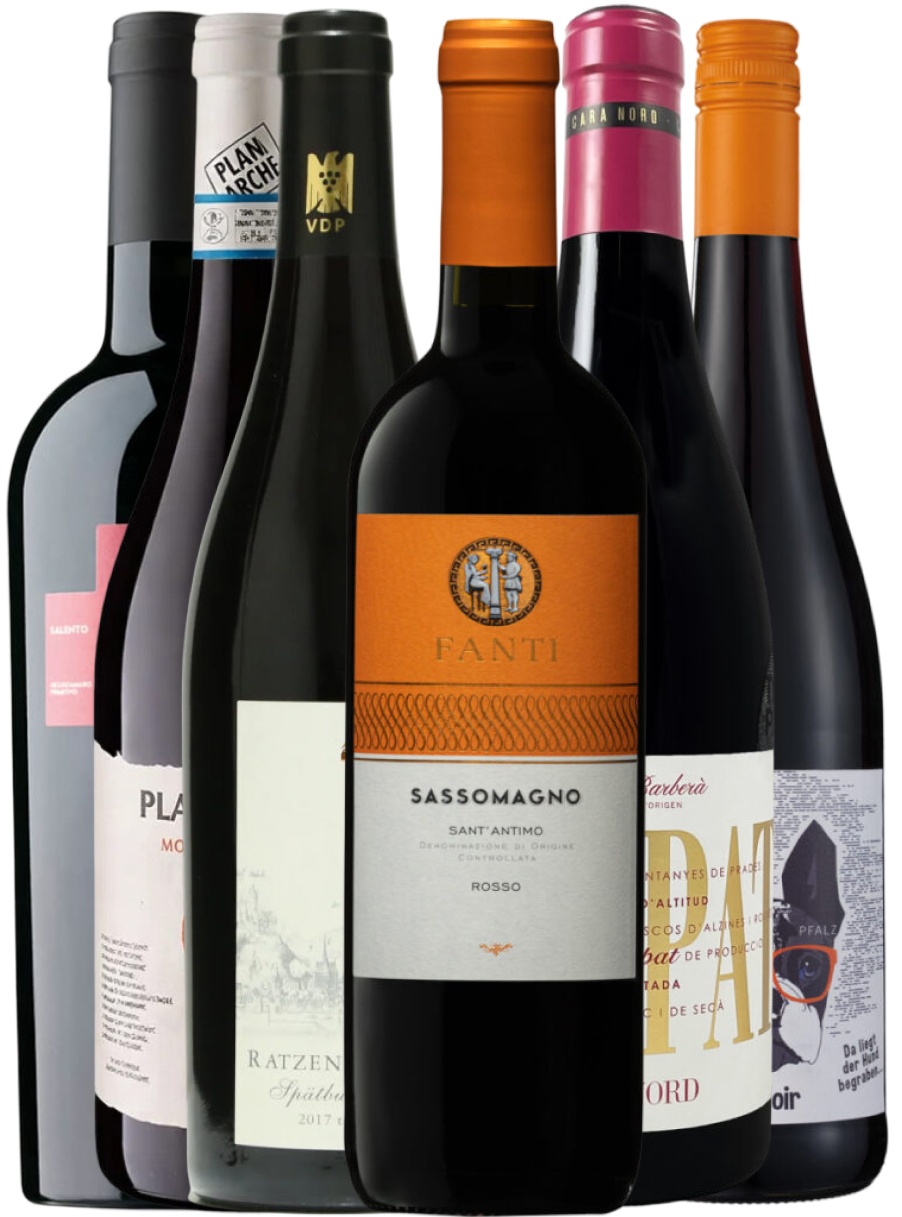
Europe’s hidden red wine finds is a wine case for anyone who wants to explore red wines beyond the most obvious choices. This is not about the most predictable labels, but about bottles from lesser-known grapes, origins, and styles that often surprise with both personality and quality. That is exactly why the name works so well: these are red wine finds from Europe’s more overlooked corners – from German Pinot Noir and an Umbrian blend to Salento power, Tuscan charm, and Catalan Trepat.
Der Hund Pinot Noir
A juicy and light-footed German red with charming pinot character. The nose and palate lean toward floral notes, red berries, and forest floor, while the overall impression is clean, fresh, and harmonious with lovely juiciness. It pairs especially well with pasta, poultry, pork, lighter meat dishes, and even grilled fish or seafood if you want to serve a red with a cooler, more elegant expression. The wine comes from Pfalz and is made as an organic Pinot Noir, with a focus on sustainable production, low intervention, and a style that leans toward a Burgundian ideal in a more approachable format.
Plani Arche – Montefalco Rosso
This is a wine with a clear Umbrian backbone, where dark fruit, spice, and a light tobacco note meet in a style that is both generous and structured. The palate moves between dark berries, spice, and fresh acidity, with a distinct tannic grip that makes the wine especially well suited to red meat, charcuterie, and aged cheeses. The wine is made organically from 75 percent Sagrantino and 25 percent Sangiovese grown on limestone-rich clay soils in Montefalco. The grapes are hand-harvested, destemmed, and fermented spontaneously under temperature control, followed by malolactic fermentation. The wine then matures in stainless steel, preserving both fruit and energy.
Ratzenberger Bacharacher Spätburgunder Trocken
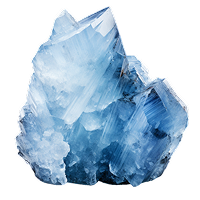
An elegant and nuanced Spätburgunder with delicate Burgundian fruit, juicy red berry character, and a fine touch of rustic herbal freshness. The style is light on its feet yet still serious, which makes it a beautiful match for poultry, veal, mushroom dishes, and other meals where you want freshness, energy, and fine structure rather than weight. The wine comes from Bacharach in Mittelrhein, where Ratzenberger works with steep south-facing slate sites. The producer relies on selective hand-harvesting, low yields, natural yeast, and slow fermentation, while the blue slate soils and cool, steep vineyards give the wine both precision and mineral tension.
Schola Sarmenti – Armentino Primitivo-Negroamaro Salento
Armentino is a powerful yet highly enjoyable wine with clear southern Italian personality. Here you find black cherry, ripe fruit, plums, and a dense, warm fruit core, together with a marked but well-integrated tannic structure that gives the wine both strength and balance. It is especially well suited to grilled meat, hearty pasta dishes, slow-cooked meals, and aged cheeses. The wine is made from 50 percent Negroamaro and 50 percent Primitivo from older vines in Salento, trained according to the traditional Alberello Pugliese system. The grapes are hand-picked in ventilated crates, and the wine is aged at controlled temperature in stainless steel followed by bottle maturation, creating a style where the fruit remains central but with clear structure and depth.
FANTI Sant’Antimo Sassomagno
This is a flavourful and well-balanced Tuscan red with dark fruit, cherry, black mulberry, balsamic herbs, and spicy notes. On the palate it is fresh, structured, and generous without becoming heavy, making it very versatile with pasta ragù, grilled meat, roasts, and semi-aged to aged cheeses. Sassomagno is made from Sangiovese, Merlot, Syrah, and Cabernet Sauvignon from Fanti’s own vineyards in Sant’Antimo. The grapes are hand-harvested and sorted before fermentation takes place in temperature-controlled stainless steel tanks. The wine is then aged partly in barriques and partly in large oak casks, before further resting in bottle until release.
CARA NORD Trepat Tinto Conca de Barberà
One of the most original wines in the case and a clear example of why lesser-known grapes can be so exciting. The palate is dry, fresh, and juicy with notes of rosehip, red cherries, and mild spice, and the expression is light, refreshing, and appetising rather than heavy. That makes it especially well suited to vegetable dishes, white meat, pasta, and bloomy-rind cheeses. The wine is made from 100 percent Trepat from organically farmed parcels on north-facing slopes in the Prades Mountains, around 800 metres above sea level. The soils are made up of stone, slate, and calcareous clay, the grapes are destemmed and gently crushed, fermentation takes place in stainless steel, and the wine is then kept in steel to preserve its pure, cool, and mineral style.