
J. S. RASCH VIN & SPIRITUS
J. S. Rasch Wine and Colonial Goods has been selling life’s finer things since 1807. The current ownership goes back two generations.
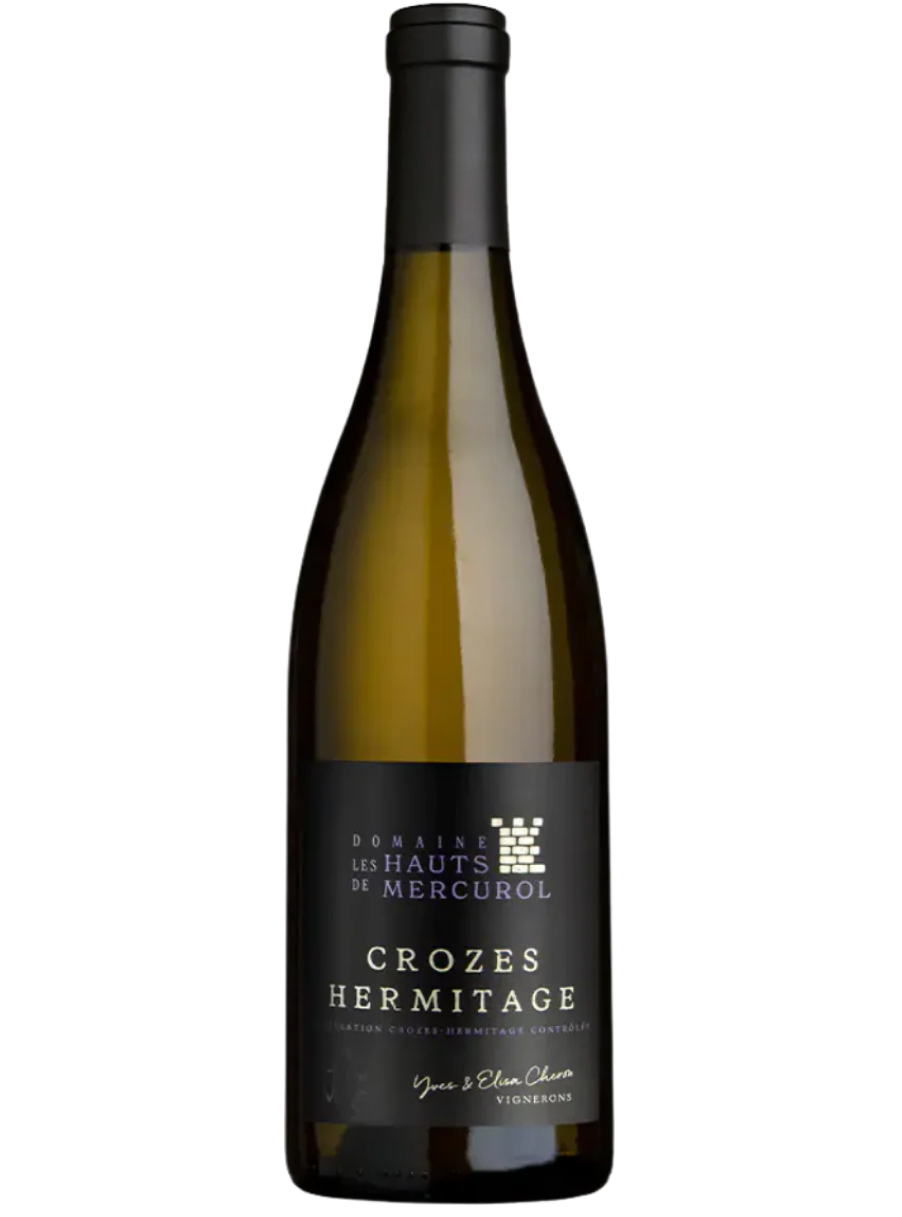
Crozes-Hermitage Blanc from Domaine Les Hauts de Mercurol is an elegant and expressive white Rhône from the northern part of the valley. The wine comes from the Crozes-Hermitage appellation on the left bank of the Rhône in Drôme, where the producer grows its white grapes partly on the well-known Les Pends slope. The cuvée is made from 90% Marsanne and 10% Roussanne, two classic grape varieties for white Crozes-Hermitage, combining the region’s generous fruit with fine freshness and a clear sense of origin.
In the glass, the wine shows a golden yellow colour, and the palate is rounded, full-bodied and fresh with notes of meadow flowers, acacia and apricot. The style is dry yet generous, with floral aromatics and good texture, which is very much in line with the appellation’s white wines, known for combining freshness, floral character and a certain fullness on the palate.
The soils consist of clay and sand with rounded stones on the slopes, contributing both ripeness and tension. The producer works carefully in the vineyard using products approved for organic farming, pheromone traps instead of insecticides, no chemical weed control and mechanical cultivation between the vines. The climate is temperate, and the ever-present mistral helps the grapes ripen while preserving acidity.
The winemaking is classic and precise: the grapes are fully destemmed, gently pressed in a pneumatic press, and the must is fermented in stainless steel tanks at low temperature on the fine lees with bâtonnage. The producer does not aim for malolactic fermentation, which helps preserve the wine’s tension. The wine is bottled relatively early after 6–9 months of ageing, with around half of the volume aged in new oak barrels, adding texture without overshadowing the fruit. The average vine age is around 30 years, and yields are approximately 40 hl/ha.
This is a white wine that pairs very well with fish, especially trout, pike-perch and other freshwater fish, but also works beautifully as an elegant glass on its own. White Crozes-Hermitage is often enjoyed young for its fruit and freshness, but with a few years of bottle age it can develop more mature notes of dried fruit.
North Rhone – France
179,00 DKK
North Rhone – France
| Pieces | Spar pr. fl. | Unit price |
|---|---|---|
| 3-5 | -9,00 DKK | 170,00 DKK |
| 6+ | -14,00 DKK | 165,00 DKK |

flowers

apricot
peach

citrus
Fullness
Roughness
Fruit acid
Sweetness
| Volume | |
|---|---|
| Percentage | |
| Country | |
| Grape | |
| Year | |
| Bottle | Standard |
| Producer | |
| District | |
| Serving Temp. | |
| Weight | 1 kg |

strawberry

raspberry
Fullness
Roughness
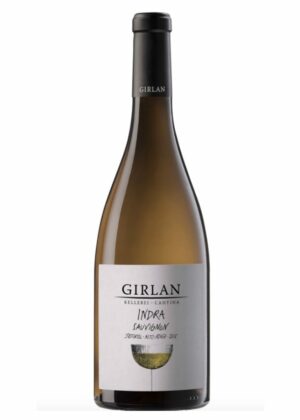
pear

elderflower
Fullness
Roughness
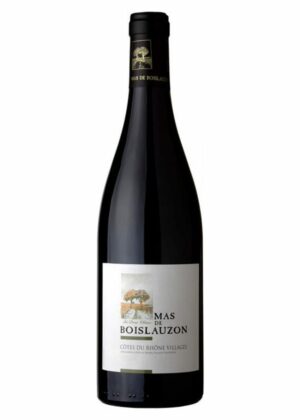

blackberry
blackcurrants
Fullness
Fruit acid
blackcurrants
blackberry
Fullness
Roughness
J. S. Rasch Wine and Colonial Goods has been selling life’s finer things since 1807. The current ownership goes back two generations.
| Mon – Thu | 09:30–17:30 |
| Friday | 09:30–18:00 |
| Saturday | 09:30–16:00 |
| Sunday | Closed |